

Ocarina of Time vs BotW and TotK: Gameplay Differences
Compare Ocarina of Time, BotW and TotK through exploration, dungeons, combat, equipment and story. Find out what changes if you try classic Zelda.
If you loved solving a place rather than simply reaching it, Ocarina of Time is worth a look. If your favorite part of Breath of the Wild was wandering without a destination, or your favorite part of Tears of the Kingdom was building vehicles, expect a different kind of adventure.
This comparison explains Ocarina of Time’s design, which the Switch 2 remake keeps, alongside the two newer games. Where the remake changes how the game feels to play, the section on the remake below says so.
What is the biggest difference between the three games?
| What you care about | Ocarina of Time | Breath of the Wild | Tears of the Kingdom |
|---|---|---|---|
| Where to go next | Story and equipment open routes through connected regions | After the opening, choose routes across a broad open world | Choose routes across the surface, sky and Depths |
| How puzzles work | Learn a place’s layout and use particular tools, songs or switches | Combine early abilities with physics and the environment | Add building, object movement and equipment combinations to environmental puzzles |
| Main puzzle spaces | Large dungeons with linked rooms, keys and central ideas | Shorter shrine challenges plus the Divine Beasts | Shrines plus regional temples and the journeys leading to them |
| Equipment rhythm | Keep using a growing collection of core tools | Replace worn weapons and adapt to what you find | Replace weapons and change their properties with Fuse |
| Exploring a cliff | Find an intended route, useful tool or different approach; climbing is limited to places such as ladders and vines | Climb, manage stamina and look for a way to glide | Climb or glide, and experiment with Ascend and constructed transport |
| Main story | More closely tied to progression through locations | Present-day goals alongside memories found during exploration | Regional story quests alongside memories discovered around Hyrule |
| Optional activities | Local side quests, minigames and collectible hunts | Shrines, equipment, Koroks, side quests and roaming | Those broad activities plus caves, sky exploration, the Depths and construction |
These are differences in emphasis. All three have combat, puzzles, exploration and optional discoveries. Ocarina of Time allows detours; the newer games also have prerequisites and directed sequences.
How does exploring Hyrule feel different?
In Ocarina of Time, Hyrule Field connects distinct places. You get to know particular paths, entrances and people, then revisit them after obtaining equipment or progressing the story. An inaccessible ledge is often a reason to remember the location and come back later.
In Breath of the Wild, seeing something interesting is often enough to start a new plan. You might climb to a viewpoint, glide toward a shrine, gather supplies on the way and never reach the destination you originally intended. Weather, stamina and terrain affect that journey.
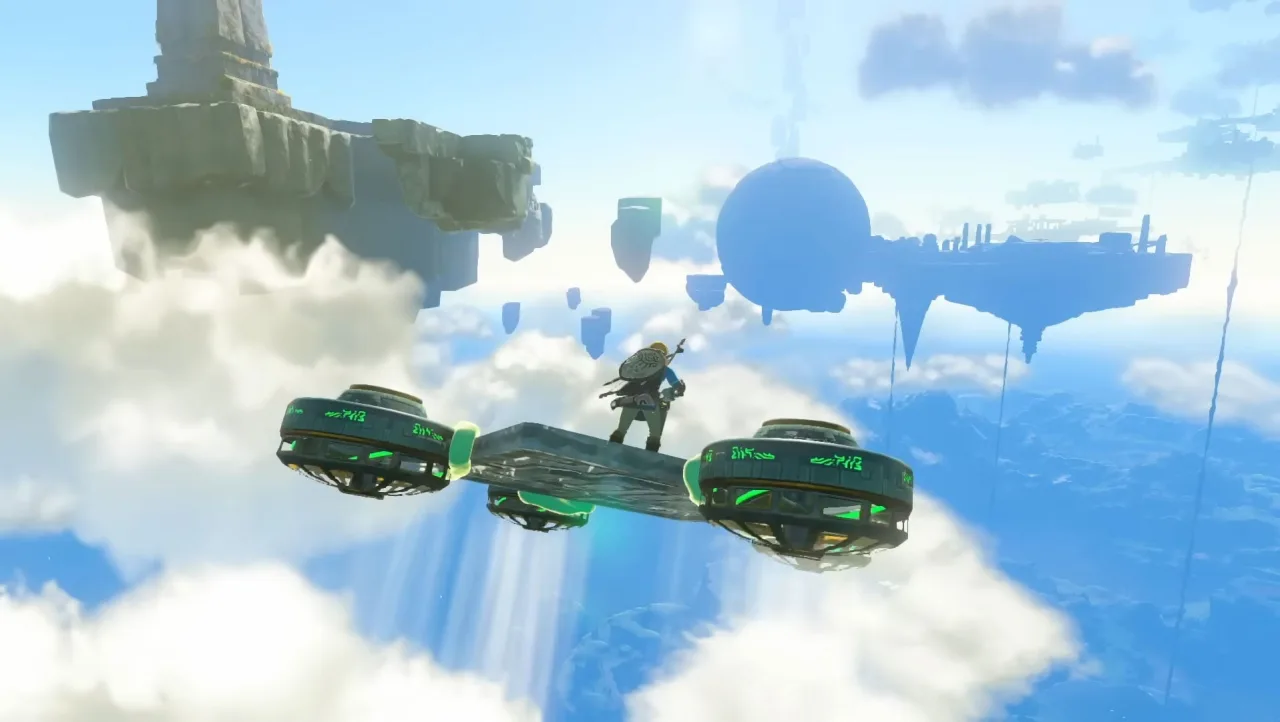
Tears of the Kingdom extends that freedom vertically. A trip can involve a sky island, the surface and the Depths, while its abilities let you test more ways of moving between places. If designing the journey is your main pleasure, the newer games give you more room for that activity.
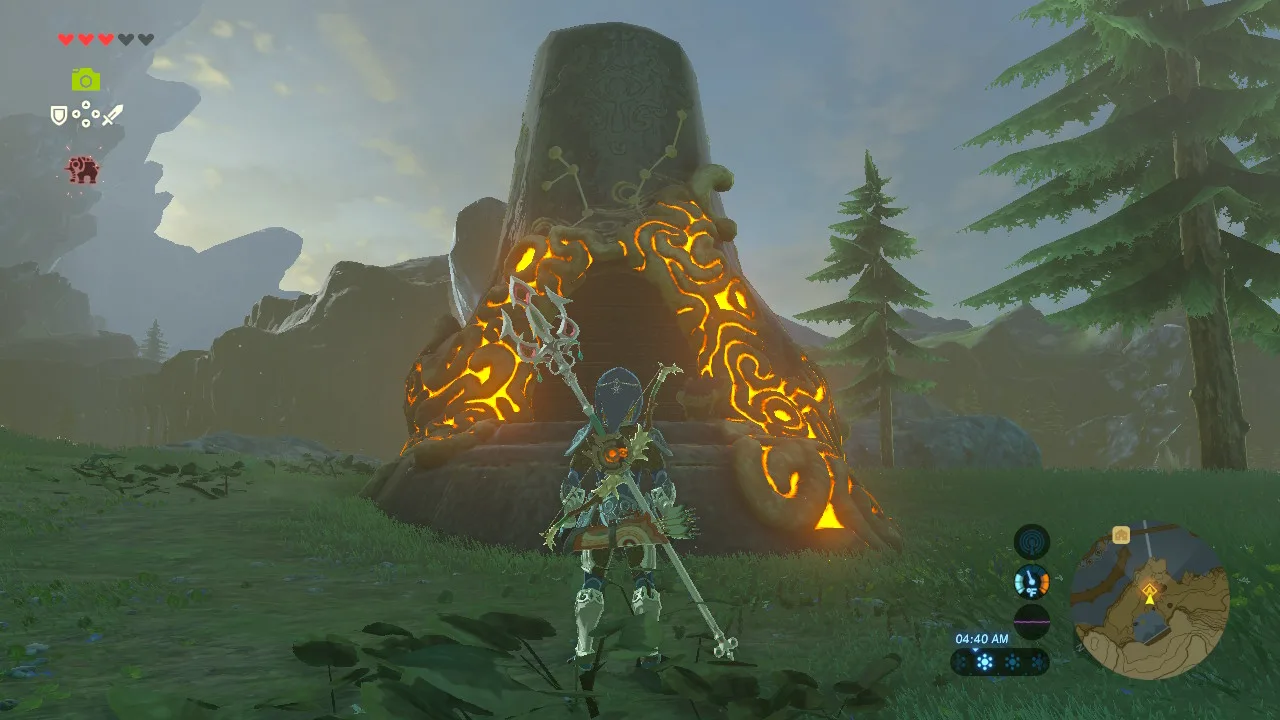
Are Ocarina of Time’s dungeons like shrines?
Think of them as longer, interconnected puzzle spaces. Opening one route can change how you move around the rest of the building. Keys, maps, items and remembered details help you connect what initially seem like separate obstacles.
A shrine in the newer games is generally a more compact challenge that can fit into a wider exploration session. The Divine Beasts and regional temples provide larger objectives too, so it would be misleading to say those games have no dungeons.
For an Ocarina of Time newcomer, the useful change of habit is to look for relationships inside the place. Which door is still closed? What did that switch affect? Can the item you just found solve an earlier obstacle? There can be more than one workable route, but the game does not offer the same broad construction toolbox as Tears of the Kingdom.
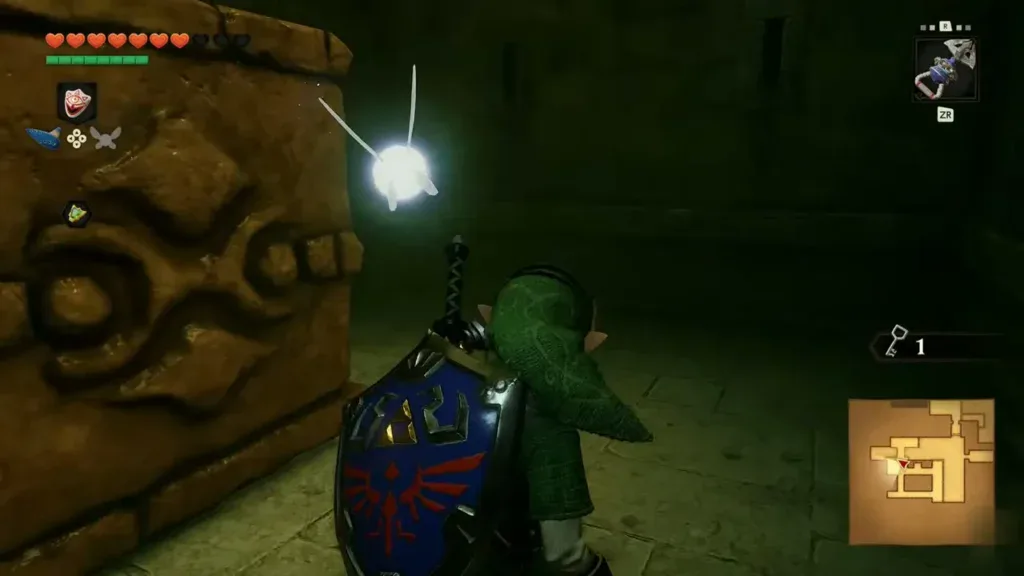
What changes in combat and equipment?
Ocarina of Time: learn an enemy’s openings and choose an appropriate tool. Core equipment remains part of your kit. Normal sword use does not create a constant cycle of breaking and replacing weapons, although specific items have breakage or loss exceptions. Health, ammunition, magic and bottled supplies still matter.
Breath of the Wild: think about which weapon to spend, what nearby materials might help and whether fighting is worthwhile. Equipment wears out, so adapting to a changing inventory becomes part of the experience.
Tears of the Kingdom: Fuse lets you alter a weapon, shield or arrow with another object. Building can also affect an encounter or help you approach it. That creates more experiments to try, while durability and resource management remain relevant.
If equipment turnover frustrated you in the newer games, Ocarina of Time may feel more comfortable. If you enjoy inventing elaborate solutions, its more specific item interactions may feel restrictive. Neither preference is a test of skill.
Does the story require playing in release order?
No earlier game is required to understand Ocarina of Time. Its central characters and conflict are introduced within the adventure. Its young and adult Link are not the same incarnation of Link as the hero of Breath of the Wild and Tears of the Kingdom.
Tears of the Kingdom is a direct sequel to Breath of the Wild. Playing those two in that order gives more context to returning places and people. You do not need to insert Ocarina of Time between them to understand their story; choose it when you want to experience a different form of Zelda adventure.
Ocarina of Time tends to connect major story developments to the next stage of the journey. In the newer games, exploration also determines when you discover some of the story’s memories. This affects pacing and the order in which you learn things, not simply how much story a game contains.
Does the remake turn Ocarina of Time into another BotW?
No. The released remake keeps Ocarina of Time’s more self-contained structure. In the November 2, 2026 developer interview, the team distinguishes it from the seamless open-air worlds of the newer games. Another example is the extra warp points tested during development and then removed to preserve discoveries made while traveling.
That does not mean nothing changes. Link now jumps with a button and can dash without a stamina gauge, the camera turns freely and time passes in towns too, so an old route feels quicker and more open. Regions are still separate areas joined by loading transitions. It also does not mean all fast travel is removed: the original already has transport methods, including learned warp songs. See what the remake changes for the current feature breakdown.
Which one fits what you enjoy?
- Choose Ocarina of Time for connected dungeons, musical puzzles and a guided adventure. Expect to remember clues, revisit locations and work within equipment prerequisites.
- Choose Breath of the Wild for exploration and discovering your own route. It is a useful starting point if you want to experience its world before the sequel changes it.
- Choose Tears of the Kingdom for construction and a larger vertical playground. It suits players who want to experiment with how an obstacle can be crossed or a fight approached.
If you already like the newer games, the skills that transfer best are observation, curiosity and willingness to try your tools. The habit to adjust is assuming every obstacle can immediately be bypassed by climbing or building.
For the next step, read the Ocarina of Time introduction, compare BotW with TotK in more detail, or open the Ocarina of Time beginner guide.
FAQ
Is Ocarina of Time open world like BotW?
Do weapons break in Ocarina of Time?
Should I play Ocarina of Time before TotK?
Is Ocarina of Time harder than BotW or TotK?
Related Articles
guides
Ocarina of Time Master Quest: Not in the Remake, How to Play It
The Switch 2 Ocarina of Time remake does not include Master Quest. What Master Quest changes, how the GameCube and 3DS versions differ, and where to play it.
guides
BotW Switch 2 Edition vs Switch 1: Differences, Price, Worth It
The Breath of the Wild Switch 2 upgrade costs $9.99, or is free with Switch Online + Expansion Pack. Graphics, saves, DLC, amiibo and Zelda Notes compared.
guides
TotK vs BotW: Which to Play First in 2026
Tears of the Kingdom vs Breath of the Wild, point by point: what they share, where they differ, which one fits you, which to play first and what to buy.
Was this helpful?
Thanks for the feedback!